Five Everyday Training Routines for UK SMEs — and the Measures That Keep Them Honest

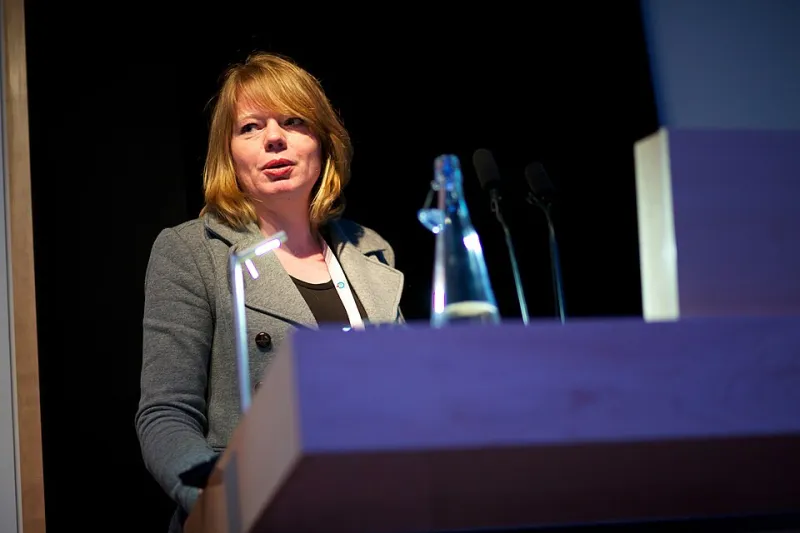
Photo: Francisclarke, CC BY-SA 4.0, via Wikimedia Commons
For many UK SMEs, the barrier to staff development is not indifference. It is the practical cost of taking people away from customers, jobs and shifts. The five routines below are deliberately small. They use existing meetings, real work and short bursts of time. None requires a conference room or a formal course. Each comes with a measurement note so that the activity can be judged on evidence rather than enthusiasm.
Pilot one routine at a time for six weeks. Give it an owner, a start date and a stop date. If there is no signal by the review point, stop or adjust it. Low-cost training should not become low-value busywork.
1. Structured job swaps
What it is: a two-hour or half-day swap between two roles. It is not passive shadowing. Each person prepares three questions, observes a defined task, then attempts a supervised part of it. The swap ends with a fifteen-minute debrief: what was unclear, what caused delay, and what one thing should change.
How to pilot it: start with two volunteers in roles that already interact, such as sales and despatch, or customer service and accounts. Agree the task, the supervision and the handover note in advance.
What to measure: handover errors, time to complete a defined task, the number of repeat queries between the two teams, and a two-question pulse before and after. Look for faster handoffs or fewer repeat questions. If neither moves, the swap may have been too broad.
2. Expert of the week briefing
What it is: a fifteen-minute slot in an existing team huddle. One team member explains one small process, shortcut or customer issue that others regularly get wrong. The briefing should produce a one-page note that can be reused in onboarding. Rotate the expert each week so that knowledge does not sit with the same person.
How to pilot it: choose a real recurring question, not a general topic. Keep the note to one side of A4 and ask the team to add one question they still have.
What to measure: attendance, follow-up questions logged, the number of repeat queries to that expert, and whether the note is reused. If repeat queries do not fall after six weeks, the topic may be too narrow or the note may not be accessible.
3. Supplier-led lunch-and-learn
What it is: a thirty-minute session in the canteen or online, led by a supplier or partner. The supplier demonstrates one feature, process or piece of equipment tied to a current problem. The manager sets the brief and agrees that there will be no sales pitch. Keep the session to one problem and one practical outcome.
How to pilot it: invite a supplier you already use and ask them to show a task your team finds slow or error-prone. Record the session if useful, but keep the recording short and searchable.
What to measure: adoption of the feature or process, support tickets, time saved on a sampled task, and a short feedback form. If adoption is zero, do not repeat the session. A lunch-and-learn that nobody uses is a catering event, not training.
4. Peer feedback drills
What it is: a ten-minute paired drill on a real piece of work. One person shares a draft, a customer email or a completed task. The other uses a simple format: what works, one improvement, one question. Pairs rotate so that feedback does not become a closed loop between two colleagues.
How to pilot it: run it once a fortnight in a team meeting. The manager joins occasionally but does not dominate. Use real work, not invented examples.
What to measure: the number of actionable changes made after feedback, rework rates, and a short pulse on whether people feel feedback is useful and safe. If people report lower safety or no changes are made, pause and reset the format.
5. Micro-case clinic
What it is: a twenty-minute monthly session on one real work problem. The owner describes the case in five minutes. The team asks three questions, agrees one next step and names an owner. The case is reviewed at the next meeting. It is not a general moan session and it is not a substitute for proper project management.
How to pilot it: choose one case with a visible cost, such as a recurring stock error or a delayed quote. Keep the group small and the action specific.
What to measure: actions completed, cycle time for the case, repeat incidents and the number of cases closed. If actions do not complete, reduce the scope or change the owner.
Keep the measurement honest
Use a simple pilot card for each routine: routine, owner, start date, one outcome measure, one process measure and stop date. Review it at six weeks. Do not collect data you will not use. For a ten-person SME, five data points can be enough to decide whether to continue.
The common thread is that these routines use work as the classroom. That is what makes them affordable. The measurement note is what separates development from a pleasant distraction. In 2026, UK SMEs do not need more training theatre. They need small routines that produce evidence, fit the working day and can be stopped without embarrassment if they do not earn their place.