The Away Day Illusion: Why One Annual Session Rarely Changes Practice

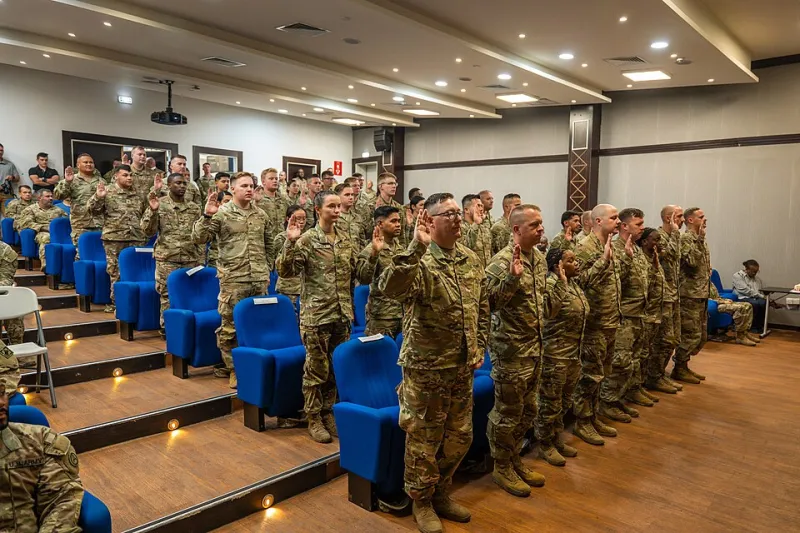
Photo: The National Archives UK - Flickr account, OGL v1.0, via Wikimedia Commons
The annual training day is rarely chosen because it is the best learning format. It is chosen because it is bookable, visible and easy to place in a budget cycle. A venue can be reserved, a facilitator engaged, and a date circulated. Attendance can be recorded. Senior leaders can see something happening. Yet the question that matters is less visible: what remains in practice three weeks later?
A logistical success, a behavioural gamble
Away days are impressive operations. Rooms are arranged, catering ordered, diaries cleared. In UK organisations with dispersed teams, bringing people together has real value. It can build relationships, surface shared problems and create a sense of common purpose. But logistics are not learning. The event may create a pleasant pause and a shared reference point, yet unless it is connected to the work people do on Monday, it is a costly interruption. The risk is highest when the day carries too many objectives: new policy, team building, systems update, strategy, wellbeing and a guest speaker. Coverage expands; retention narrows.
Why the format persists
Three forces keep the annual day alive. Budget cycles reward large, one-off spends that are easy to approve and invoice. Visible commitment matters: a full-room event signals that leaders care, even if the signal is stronger than the substance. And booking is simple. A date in the calendar feels like action. None of these reasons is irrational, but they are operational reasons, not evidence that learning will transfer. When evaluation is limited to a satisfaction form at 4pm, the organisation learns very little about capability.
The durability problem
Most workplace learning is not an event; it is a sequence. People need to encounter an idea, try it, get feedback, adjust and try again. A single day can introduce a model, but it cannot supply the repetitions that make a habit. In a busy UK workplace, the follow-up is usually the first thing to disappear. Managers are not briefed, practice is not scheduled, and the workbook goes into a drawer. The result is what might be called the away-day afterglow: enthusiasm on Friday, ambiguity on Monday, and old routines by the following month.
Cheaper alternatives with more contact points
The alternative is not to abandon gatherings. It is to stop asking one gathering to do work that only repetition can do.
Short recurring sessions. Thirty to forty-five minutes every fortnight, focused on one practical behaviour, will usually outlast a six-hour event. The topic should be narrow enough to practise: running a useful one-to-one, writing a clear handover, challenging unsafe practice, or handling a customer complaint.
On-the-job practice. Learning is more durable when it happens in the workflow. Pair a new approach with a real task, a checklist or a peer observer. The trainer becomes a coach rather than a lecturer.
Manager-led follow-ups. A ten-minute conversation a week after the session is cheap and powerful. Managers need a short prompt: what did you try, what worked, what got in the way? Without this, training becomes an orphaned event.
Blended use of the away day. If a full day is justified, use it for things that genuinely need a room: complex negotiation, sensitive case review, cross-team problem-solving or relationship repair. Send the information beforehand and protect time afterwards for practice.
What to do with the budget
UK employers often worry that moving away from the annual day will look like a reduction in commitment. It need not. Reallocate part of the venue and catering spend to manager time, peer observation and short refresher sessions. The visible commitment becomes more credible because it is distributed across the year rather than concentrated in one photograph. Keep a record of what people are practising and what managers are noticing.
A simple test before booking
Before approving another training day, ask four questions. First, does the learning require people to be in the same room, or would a shorter session plus practice do the job? Second, what will participants do differently in the first week after the event? Third, who will follow up, and when? Fourth, how will we know whether the change has happened?
If the answers are vague, the day is probably an expensive way to signal intent. If the answers are specific, and the organisation is prepared to protect the follow-up, a training day may be the right tool. The test is not whether the event can be organised. It is whether the learning can survive the return to work.